AC Repair in Manor TX: Fixing Electrical Short Circuits
Manor, TX is beautiful in that stubborn Texas way, with summers that don’t just arrive, they camp. When your air conditioner starts acting up, it is rarely “just a little problem.” Electrical short circuits are one of those issues that can look like a simple symptom, then quietly escalate into blown breakers, damaged controls, or a compressor that never fully gets a second chance.
I’ve been on service calls where the homeowner describes a pattern: the system would run fine until it suddenly shut off, then restart later like nothing happened. Other times it trips a breaker the instant the thermostat calls for cooling. Either way, the core risk is the same. Short circuits can heat connections, burn insulation, and turn a repair that should have been straightforward into a much larger job.
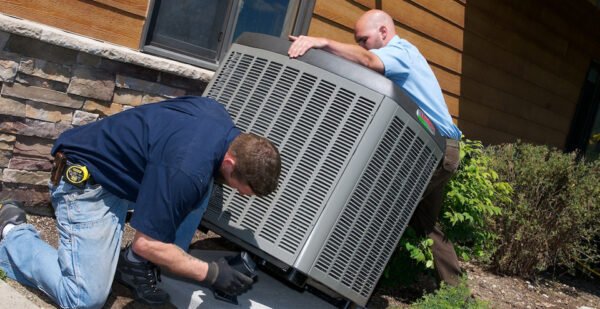
If you are searching for AC Repair in Manor TX, this guide is meant to help you understand what is happening when shorts show up, what to watch for, and why choosing a real HVAC contractor in Manor TX that understands both comfort and electrical safety matters.
When a short circuit shows up in an AC system
An air conditioner is not a single device. It is a whole chain of components that have to cooperate correctly: thermostat, control board, contactor, capacitor(s), blower motor, outdoor fan, compressor, wiring harnesses, and protective devices. A “short circuit” is simply an electrical path that bypasses the normal route.
That can happen for a few reasons that I see often in central Texas:
- moisture intrusion after storms or around condensate lines
- worn insulation on low-voltage or line-voltage wiring
- loose connections that arc, then create a new fault
- rodent or insect damage to wiring runs
- a failing capacitor causing erratic current draw and stress on parts
The tricky part is that the system may not fail consistently. A short can be intermittent, appearing only under certain temperatures, humidity levels, or when a specific component cycles on. That is why two neighbors can have “the same” brand and model installed the same year, and one has a breaker trip every time while the other gets random restarts.
In my experience, the biggest mistake homeowners make is treating every shutoff like a thermostat issue. When electricity is the culprit, the thermostat is often just the messenger, not the problem.
The signs you are dealing with more than a normal AC hiccup
There are plenty of AC issues that imitate electrical trouble. A clogged filter can raise head pressure. A dirty coil can increase load. A failing fan motor can reduce airflow and trigger protective shutdown. But when the behavior points to electrical faults, it’s worth paying attention early instead of waiting for the unit to “sort itself out.”
Here are common signals that show up when shorts or electrical faults are in the mix.
- the outdoor unit trips a breaker or GFCI when the thermostat calls for cooling
- you hear buzzing, crackling, or a loud humming from the disconnect or air handler when it starts
- the system starts, then shuts off quickly, often within seconds to a minute
- fuses blow repeatedly, or the contactor pulls in and drops out in a cycle
- visible scorching on wiring, the contactor area, or the air handler control board
If you’re seeing one of these patterns, it’s a strong reason to call for HVAC repair in Manor TX as soon as you can. Not because the call has to be urgent in the “fire alarm” sense every time, but because repeated trips usually mean repeated stress. Every cycle can turn a fixable wiring or connection issue into a damaged control board or compressor contactor.
Why Manor AC systems seem to get these faults more often
The short circuit risk is not unique to Manor. Electricity fails everywhere. But the local environment nudges the odds.
Storms in the region can drive moisture into panels and conduits. Texas heat accelerates wear on insulation and makes loose connections expand and contract. Rodent activity can be worse around structures that have gaps, debris, or sheltered outdoor units. And sometimes people install or service components in a way that leaves wiring slightly pinched, routed too close to sharp sheet metal, or exposed to vibration without proper strain relief.
I’ve also seen cases where someone attempted a “quick fix” by swapping a thermostat or replacing a capacitor without diagnosing the root cause. If the short is on the line-voltage side, or tied to a control board power input, a parts swap can mask the symptoms briefly and then bring the fault back stronger.
That is one reason AC maintenance in Manor TX is not just about filters and coils. It includes visual inspection of electrical connections, checking torque on terminals where appropriate, verifying capacitor readings, and looking for signs of arcing or heat damage.
What actually happens inside the unit during an electrical short
When a short occurs, current takes an unintended path. Depending on where the short is located, the system might respond in different ways:

- The control side may lose power or reset, so the unit drops out mid-cycle.
- The contactor can pull in, then fail to stay engaged due to collapsing voltage or overheating.
- The breaker trips because the current exceeds the safety threshold.
- Protective circuits within the air handler or control board may shut down to prevent worse damage.
The timing can help narrow it down. For example, breaker trips that happen immediately when cooling is called often point to a wiring or component fault on the line-voltage path. Shutoffs a minute or two later can be more consistent with a failing motor, capacitor, or a connection that heats up until it fails.
On a service call, I try to treat the system like a story. The thermostat behavior tells me what the control system is doing. The outdoor fan and compressor behavior tell me which stage is failing. And how quickly the fault shows itself often guides where we start testing.
The safety reality: why you should not “keep trying” the system
It’s tempting to reset a breaker, restart the system, and hope it behaves. I understand the urge, especially when the inside temperature climbs. But repeated starts can quickly compound the damage.
Every time a short is present, you risk heating:
- wire insulation
- control board solder joints or power relays
- compressor contact points and the contactor mechanism
- capacitor terminals and their connections
If the fault is intermittent, it might not trip every time. That can trick you into thinking it’s improving when it’s actually progressing more quietly, with each heat cycle lowering the margin for a safe failure.
If your goal is to reduce total cost and protect the equipment, the safer approach is to stop repeated resets once a pattern is clear and call a qualified HVAC contractor in Manor TX to diagnose it properly.
What a good technician looks for first
When I walk up to an outdoor unit and it’s showing symptoms that suggest electrical short circuits, I don’t jump straight to “replace the most expensive part.” The priority is to identify the fault without guessing.
A careful technician will typically begin with observations and straightforward checks: the condition of the disconnect, the presence of heat discoloration, the tightness and cleanliness of connections, and the behavior of the system during a controlled diagnostic process. Electrically, we are looking for evidence of arcing, incorrect wiring, moisture damage, or component failure that could create a short.
During the first phase of diagnosis, many contractors follow a disciplined sequence like this:

- confirm the breaker and disconnect are functioning correctly and not oversized or miswired
- inspect control boards, contactors, and capacitor terminals for signs of heat or scorching
- check wiring routes for pinched insulation, corrosion, or rodent damage
- test capacitor condition and verify appropriate readings for the system
- verify voltage and current draw patterns as the system starts and runs
Those steps are not “random testing.” They narrow the field quickly and reduce the chance of swapping parts that do not solve the real issue.
Repairs that address shorts without creating new problems
Not every repair is the same, because “short circuit” can describe different failures. Sometimes the fix is as straightforward as replacing damaged wire insulation or repairing a connection. Other times, the wiring is intact but a control component is failing and creating an internal short path.
Here are the repair categories I see most in AC Repair in Manor TX situations:
1) Connection repairs and wiring corrections
When you have a loose terminal, a corroded connector, or a wire with insulation worn through, the solution can be replacing the affected section and properly terminating it. A quality repair also routes the wiring correctly, adds strain relief where needed, and protects the harness from vibration.
The difference between a quick fix and a lasting one is often in the details. A wire that is “technically connected” but routed against metal can eventually rub through again. A terminal tightened once and left under tension without a proper torque approach can loosen later. If you want a repair to hold up through a Texas summer, those small choices matter.
2) Replacing a failing contactor or capacitor
A contactor that’s pitted or overheated can act unreliable, pulling in and dropping out, or overheating during repeated starts. A capacitor that is weak can cause unusual startup current and stress other components, including the compressor. That stress can trigger protective shutdowns and make faults appear electrical even if they started as component degradation.
When replacing these parts, you want the correct specifications for your exact equipment. Even “almost matching” capacitors can lead to ongoing issues. The point is to restore normal starting and running electrical behavior, not just to silence the immediate symptom.
3) Control board and low-voltage power faults
Sometimes the wiring is fine, but the control board has a damaged power section from prior overheating. In those cases, the system might reset or fail to respond correctly. If the board has been compromised, leaving it in place can keep the problem coming back even after you repair other pieces.
This is where professional diagnosis pays off. A board replacement without confirming the original short source can cost money twice. The right approach is to inspect everything around the board, including where power enters and any connections that could have caused the original heating event.
4) Moisture intrusion and condensate-related issues
Moisture can cause tracking faults on control surfaces, or it can corrode terminals until conductivity changes. After a storm, the unit might behave for a day, then start acting up. If condensate is backing up or draining improperly, that can create a wet environment inside the air handler where electronics are not meant to sit.
Repairing these shorts often includes correcting drainage, cleaning affected components appropriately, and sealing potential entry paths so it does not keep recurring.
“Do I need a full replacement?”
When electrical faults keep showing up, homeowners understandably ask whether replacement is the only sensible choice. The answer depends on two things: what failed and how much damage is present.
If the short is due to a wiring harness issue, a connection, or a single component like a contactor, capacitor, or small section of board, a repair can restore normal operation at a fraction of replacement costs. If, however, the compressor has suffered damage, the control board is repeatedly failing, or multiple components show heat damage, you have to consider whether the system is already past the point of being a good long-term investment.
A persuasive repair conversation always includes trade-offs. Repairs can be cost-effective when the diagnosis is accurate and the root cause is corrected. Replacement becomes more reasonable when the unit is aging and multiple electrical components are failing, especially if you are seeing recurring trips, scorching, and repeated board or compressor issues.
If you want an honest assessment, look for a contractor who can explain the findings clearly and relate them to your specific equipment. That is the difference between a “parts guess” and a real HVAC repair in Manor TX plan.
How ATX Heating & Air Conditioning LLC approaches electrical issues in Manor
When electrical short circuits are involved, comfort repairs need an extra layer of rigor. Atx Heating & Air Conditioning LLC focuses on diagnosing the actual electrical fault, not just replacing symptoms. The service process typically includes verifying the electrical conditions, inspecting for heat damage and unsafe wiring conditions, and then recommending the most practical repair route based on what is found.
Homeowners appreciate this approach because it reduces the cycle of repeat calls. It also lowers the risk of “fixing” one part while leaving an unsafe condition behind.
If you are considering who to call, here is a simple question to ask on the phone: “Will you diagnose the electrical cause and inspect wiring and controls, or will you just replace parts based on symptoms?” A good HVAC contractor will answer that with confidence and detail.
A quick story from the field, the kind you don’t forget
A couple summers ago, a homeowner in Manor called because the system would start, run for a short period, then shut down. They reset the breaker twice, and both times the breaker stayed on longer than the first, which made them think the issue might be temporary.
When we inspected the unit, we found evidence of heat at the contactor area, and the wiring routing had a spot where insulation had been rubbed against the edge of the cabinet panel. The rubbing was subtle, but the combination of vibration and Texas heat had finally wore the insulation enough to create an intermittent short path under load.
The repair was not glamorous. It involved correcting the wiring, replacing the damaged section, and installing and verifying the correct electrical components. But the difference after the repair was immediate. The unit started normally, stayed running through the call, and the breaker stopped tripping entirely. That outcome is what you should expect when the root cause is handled, not when the system is merely reset until the next failure.
Preventing electrical short circuits with routine AC maintenance
You cannot eliminate every electrical fault, but you can dramatically lower the chance that small problems grow into major ones. Maintenance is where the early warning signs show up while there is still time to fix them cheaply.
AC maintenance in Manor TX should include more than checking airflow. It should also include visual inspection of electrical components, checking for signs of heat damage, confirming that connections are AC Repair in Manor TX in good condition, and making sure the unit operates within expected electrical behavior.
Here is where “seasonal” matters. A system that gets maintenance in spring is more likely to start the cooling season clean and stable. It is also more likely to have issues caught before the peak demand months when everything runs harder and faults are more likely to surface.
When to call: timing and urgency
If the unit is currently tripping breakers, shutting off repeatedly, or showing visible scorching, don’t wait for it to become a bigger event. Heat damage tends to compound, and some failures worsen quickly during high-demand periods.
Even if it is not tripping, if you notice new buzzing, unusual startup sounds, or a sudden change in how the unit behaves, it’s a good time to schedule HVAC repair in Manor TX. Electrical faults often announce themselves, but they do it through patterns, not through a dramatic “everyone panic” moment.
Choosing the right HVAC contractor in Manor TX for electrical repairs
Electrical short circuit diagnostics are not where you want to gamble. You want an HVAC contractor in Manor TX that understands both the comfort side and the electrical side of the system. That means careful observation, correct test procedures, and repairs that address the root cause.
When you call, pay attention to how the contractor communicates. A good contractor will ask questions, request details about what the system is doing, and explain what they plan to check. They will also be clear about what they found and why a particular repair makes sense.
You’re not just buying parts. You are buying safety, reliability, and predictable performance through the hottest months.
What you can do right now while you wait for service
If your system is currently running erratically, keep your actions simple and safe. Don’t open panels while power is on. Don’t repeatedly reset the breaker in rapid succession. If the unit is tripping, it is usually better to stop and let the technician diagnose rather than adding more stress to already compromised components.
If you can do one helpful thing, note the pattern. Write down when it happens, what it does right before it shuts off, whether the indoor blower keeps running or stops, and whether any breaker trips are noticeable. That information helps technicians narrow down whether the fault is more likely on the line-voltage path, the low-voltage control side, or tied to a component like the contactor or capacitor.
Small details like “it always shuts off exactly 20 to 40 seconds after the compressor starts” can change where testing begins. In electrical diagnostics, timing is data.
Bottom line for homeowners in Manor
Electrical short circuits are serious, but they are not mysterious. When you catch them early and work with the right professional, the repair is often a focused fix: wiring corrections, connection repairs, replacement of a failing electrical component, and restoring the system to stable startup and running behavior.
If you need AC Repair in Manor TX, or you suspect an HVAC problem is actually electrical at its core, reach out to ATX Heating & Air Conditioning LLC for a diagnosis you can trust. A real HVAC repair process saves money in the long run because it stops the repeat failures and prevents additional damage. And when the Texas heat ramps up, reliability is not a luxury, it is the whole point.
ATX Heating & Air Conditioning
13809 Theodore Roosevelt St., Manor, TX - 78653
(737) 406-8083
[email protected]
Website: https://atxheatingandac.com/